

Oct: DEI Coffee & Conversations
Designing More Inclusive Experiences
Recap & Key Takeaways
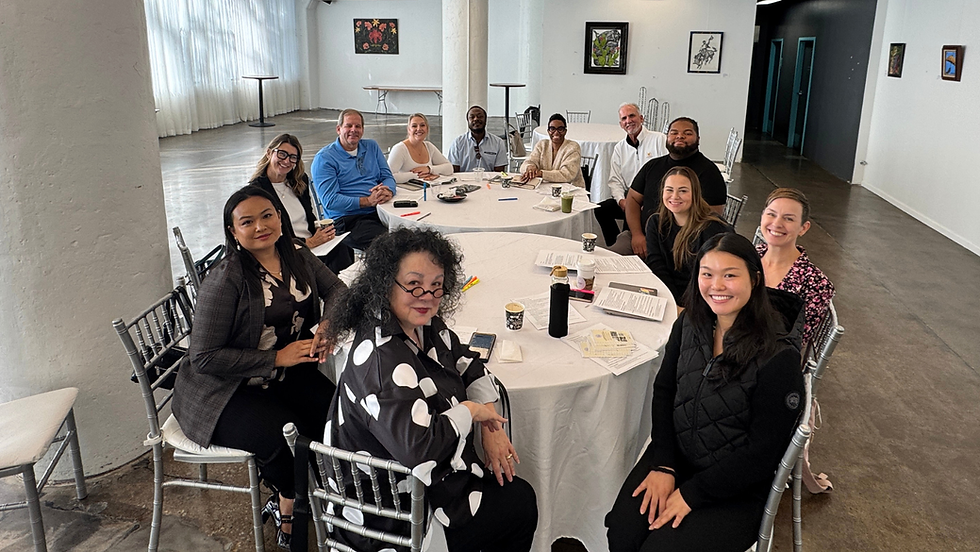
On October 7, 2026, ILEA Chicago gathered at Vjosa Cafe & Events for another edition of Coffee & Conversations, bringing event professionals together for a thoughtful discussion on how everyday business practices can help create a more inclusive and accessible industry.
This conversation focused on three areas that many event professionals interact with regularly: job descriptions, RFPs, and company websites.
Across all three topics, one theme kept coming back:
The language we use and the experiences we design communicate who is welcome, and they can sometimes create barriers without us realizing it.
The workshop used intentionally exaggerated examples to make potential issues easier to spot. The real opportunity, however, is learning to recognize the subtler versions that may show up in our own materials and processes.
Job Descriptions: Focus on What Success Actually Requires
Job descriptions can shape who feels qualified, encouraged, or even welcome to apply.
One of the key takeaways from the conversation was the importance of replacing subjective language with clear expectations tied directly to the role.
Terms such as “polished,” “extremely outgoing,” or “strong cultural fit” can be interpreted differently by different candidates. Instead, organizations can focus on the communication, collaboration, and performance skills genuinely needed to succeed.
The group also discussed taking a closer look at requirements around degrees, years of experience, industry connections, and specific software knowledge. In some cases, transferable experience or a willingness to learn may be just as valuable.
Other considerations included being transparent about evening, weekend, and travel expectations, and encouraging qualified candidates to apply even if they do not meet every preferred qualification.
Clear sections outlining the role, responsibilities, and qualifications can also make postings easier for candidates to navigate.
RFPs: Build Inclusion Into the Process From the Start
RFPs can create barriers long before an event ever takes place.
The conversation explored how planners and organizations can make inclusion part of the requirements from the beginning rather than treating accessibility and representation as an afterthought.
That can include using language that welcomes different genders and family structures, such as “employees and their guests,” as well as considering accessibility throughout the full guest journey.
Entrances, seating, stage access, transportation, and after-party locations can all affect whether an experience is truly accessible.
Participants also discussed dietary needs, nonalcoholic options, sensory considerations, and cultural or religious observances.
Even operational details matter. Submission deadlines and delivery requirements may unintentionally create challenges for smaller businesses and independent suppliers, so reviewing those expectations can help broaden participation.
Websites: Think About Representation and Usability
A website often serves as someone’s first interaction with an organization, making it an important part of the inclusion conversation.
Attendees discussed reviewing website copy and imagery for assumptions about who the audience is and aiming for authentic representation rather than tokenism.
Accessibility also extends beyond what a site looks like.
Readability, color contrast, image descriptions, captions, and keyboard navigation can all affect whether people are able to use a website comfortably and effectively.
The discussion also highlighted the importance of reviewing inquiry forms and automated responses, not just the main website content.
One of the simplest but most valuable suggestions was to ask people with different perspectives to test the experience. Fresh eyes can often identify barriers that may otherwise go unnoticed.
The Conversation Continues
The strongest takeaway from this Coffee & Conversations gathering was that inclusion is often shaped by the details.
A phrase in a job description. A requirement in an RFP. An image on a website. Each decision may seem small on its own, but together they help communicate who feels seen, considered, and welcomed.
Thank you to everyone who joined us at Vjosa Cafe & Events and contributed their experiences, questions, and perspectives to the discussion.
Coffee & Conversations continues to create space for our community to learn from one another, challenge assumptions, and consider practical ways to build a more inclusive live events industry.


